Home › Services › Generator Installation
Generator Installation in Long Island, NY
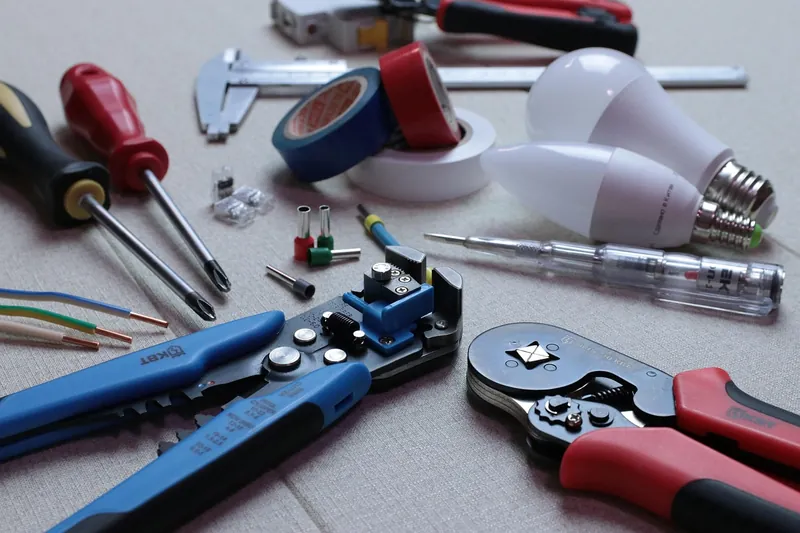
A home generator keeps key circuits running when the grid goes down. A standby generator sits outside, starts automatically, and runs on natural gas or propane. Smaller portable generators can also be connected through a manual transfer switch or inlet. The transfer switch is the key safety component: it isolates your home from the utility lines so power does not feed back onto them, and it lets you power selected circuits without running extension cords through the house.
Long Island homeowners know that nor'easters, hurricanes, and summer storms can cause outages, especially where overhead lines run through tree-lined streets. When planning backup power, think about what you need to keep running, such as the refrigerator, sump pump, heat, well pump, or medical equipment. Fuel matters too. Natural gas is not available on every street, and propane or other options may change the setup. Placement, noise, setback rules, permits, and flood-zone considerations can vary by town, so ask providers what applies at your address.
This site is a referral service, not an electrician, so the work is carried out by independent providers. Gas connections are often handled by a separate licensed trade, so ask who coordinates that work. Compare quotes on generator size, what the transfer switch covers, permit and inspection handling, and what the quote includes. Verify licensing with your county or town. Never run a generator indoors, in a garage, or near windows or doors.
Signs you need generator installation
- Storm outages have left you without heat, a sump pump, refrigeration, or a well pump
- Someone in your home depends on powered medical equipment
- You use a portable generator with extension cords and want a safer, permitted connection
- You work from home and cannot afford extended power loss
- You are unsure what size generator or transfer switch your home needs